The year 1804 marks one of the most consequential journeys in American history — the departure of the Lewis and Clark Expedition, known officially as the Corps of Discovery. Sent west by President Thomas Jefferson just one year after the Louisiana Purchase doubled the size of the young nation, two army captains and a hand-picked team of soldiers, frontiersmen, and interpreters set out to do something no American expedition had ever attempted: cross an entire continent and report back on everything they found.
As we look back on this remarkable journey, we reflect on the courage, the hardship, the diplomacy, and the deep human relationships that made it possible. Whether you’re a lifelong history enthusiast or a curious first-timer planning your own road trip along the trail, there has never been a better time to rediscover the story of the Corps of Discovery.
Join us as we explore its storied past, its lasting cultural impact, and the places where you can still walk in the footsteps of Lewis, Clark, Sacagawea, and the rest of the expedition today.
The Expedition
At its outset, the journey covered an extraordinary 4,900 miles, crossing what are now ten states along the outbound route alone — Missouri, Kansas, Iowa, Nebraska, South Dakota, North Dakota, Montana, Idaho, Washington, and Oregon. Beginning near St. Louis in May 1804, the Corps of Discovery followed the Missouri River upstream, crossed the Continental Divide on horseback, and finally reached the Pacific Ocean in November 1805— eighteen months and over 4,000 miles after departure.
President Jefferson’s instructions to Meriwether Lewis were remarkably specific: chart the Missouri River and any water route to the Pacific, document the plants, animals, and geography of the new territory, and establish diplomatic relationships with the Native nations whose homelands the expedition would pass through.
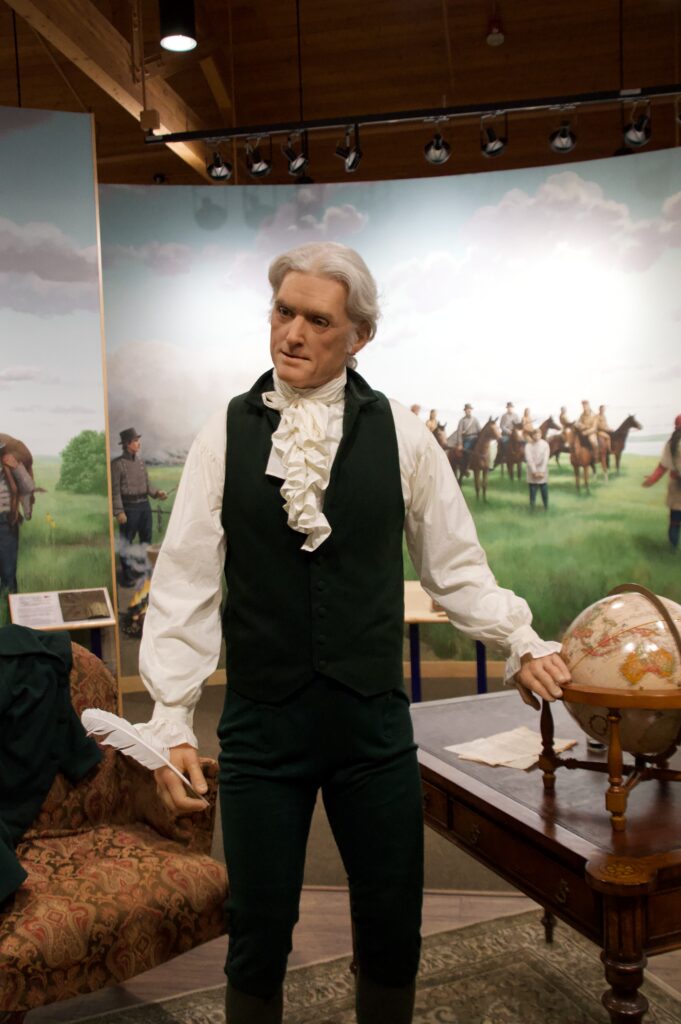
Thomas Jefferson exhibit, Lewis & Clark Interpretive Center, Sioux City, Iowa
Lewis chose William Clark as his co-captain, and together they assembled a party of 33 permanent members —including Clark’s enslaved manservant York, French-Canadian interpreter Toussaint Charbonneau, and, eventually, Charbonneau’s Shoshone wife, Sacagawea, whose knowledge and diplomacy would prove indispensable to the mission’s survival.
Triumph and Hardship
The expedition’s two and a half years were marked by extraordinary achievement and extraordinary difficulty in equal measure. The Corps documented 178 new plant species and 122 new animal species, encountered more than 50 distinct Native nations, and produced maps and journals so detailed they remained the standard reference for the American West for decades.
But the journey nearly failed more than once. An armed standoff with the Teton Sioux at the Bad River in present-day South Dakota came within moments of turning violent. The brutal crossing of Idaho’s Bitterroot Mountains in early snow reduced the men to eating their own pack horses to survive. And the only fatality of the entire 8,000-mile round trip —Sergeant Charles Floyd, who died near present-day Sioux City, Iowa — reminds us that this was never a leisurely tour, but a genuine, dangerous act of exploration.
What carried the Corps through these moments again and again was not just grit, but relationships — particularly with the Native nations who fed them, guided them, and in several critical instances, saved them outright. Without the Shoshone trading horses at the Continental Divide, or the Nez Perce sharing food and route knowledge after the Bitterroots nearly broke the expedition, the journey simply does not reach the Pacific.
Sacagawea’s Legacy
No single figure looms larger in the popular memory of the expedition than Sacagawea. A Shoshone woman, captured as a child and later married to French-Canadian trader Toussaint Charbonneau, she joined the Corps at Fort Mandan in present-day North Dakota— pregnant, and just months from giving birth to her son, Jean Baptiste, whom she carried the entire remaining journey to the Pacific and back.
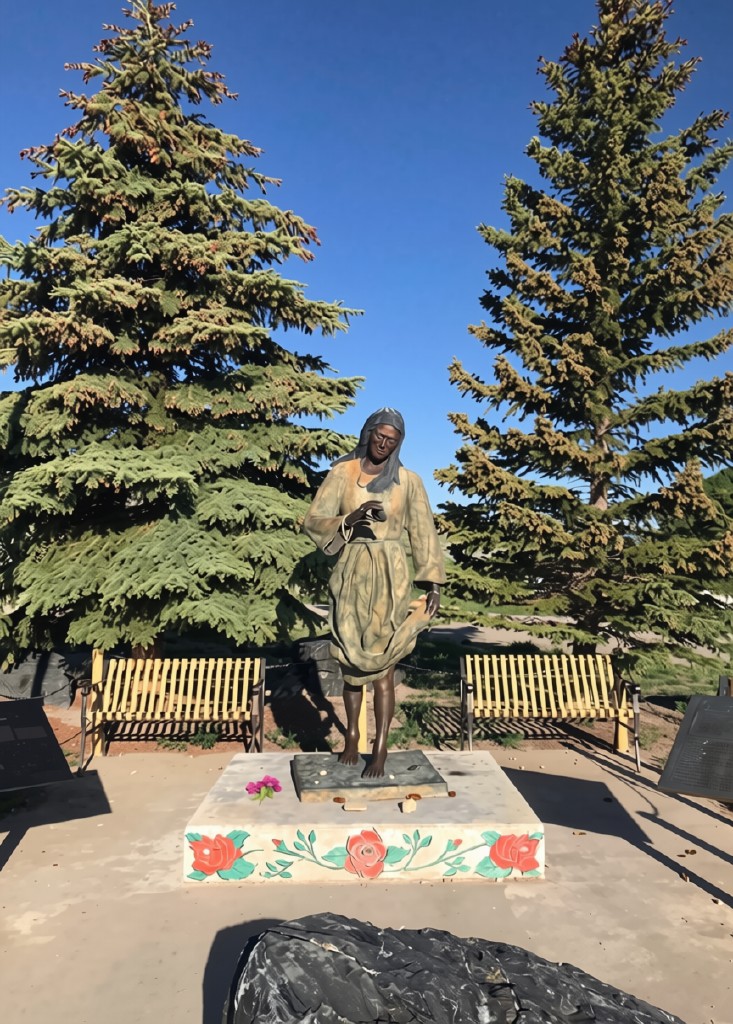
Statue honoring Sacagawea, Wind River Reservation, Fort Washakie, Wyoming
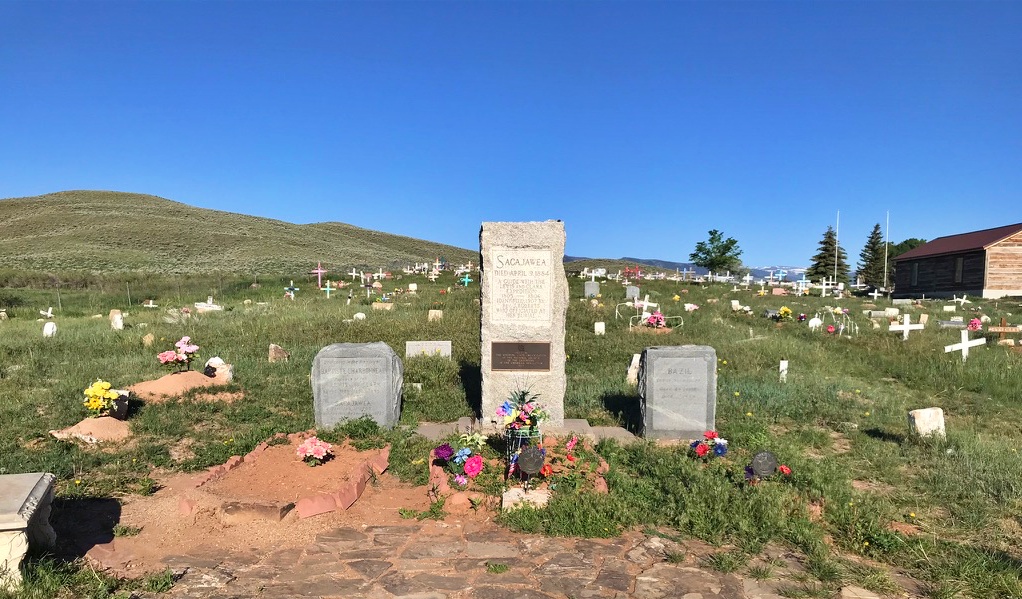
Sacagawea’s grave, Wind River Reservation, Fort Washakie, Wyoming
Her contributions went far beyond translation. Her presence as a woman traveling with an infant signaled peaceful intent to Native nations the Corps encountered, smoothing diplomatic relations at several critical moments. Her recognition of landmarks near the Continental Divide gave the exhausted expedition hope that they were nearing her own people — and in one of history’s great coincidences, the Shoshone chief who ultimately provided the horses the Corps needed to cross the mountains turned out to be her own brother, from whom she had been separated for years.
Sacagawea’s life after the expedition remains a story of its own. Her grave is honored today at the Wind River Reservation in Wyoming, a site of pilgrimage for those tracing her legacy beyond the journey that made her famous.
Unforgettable Landmarks
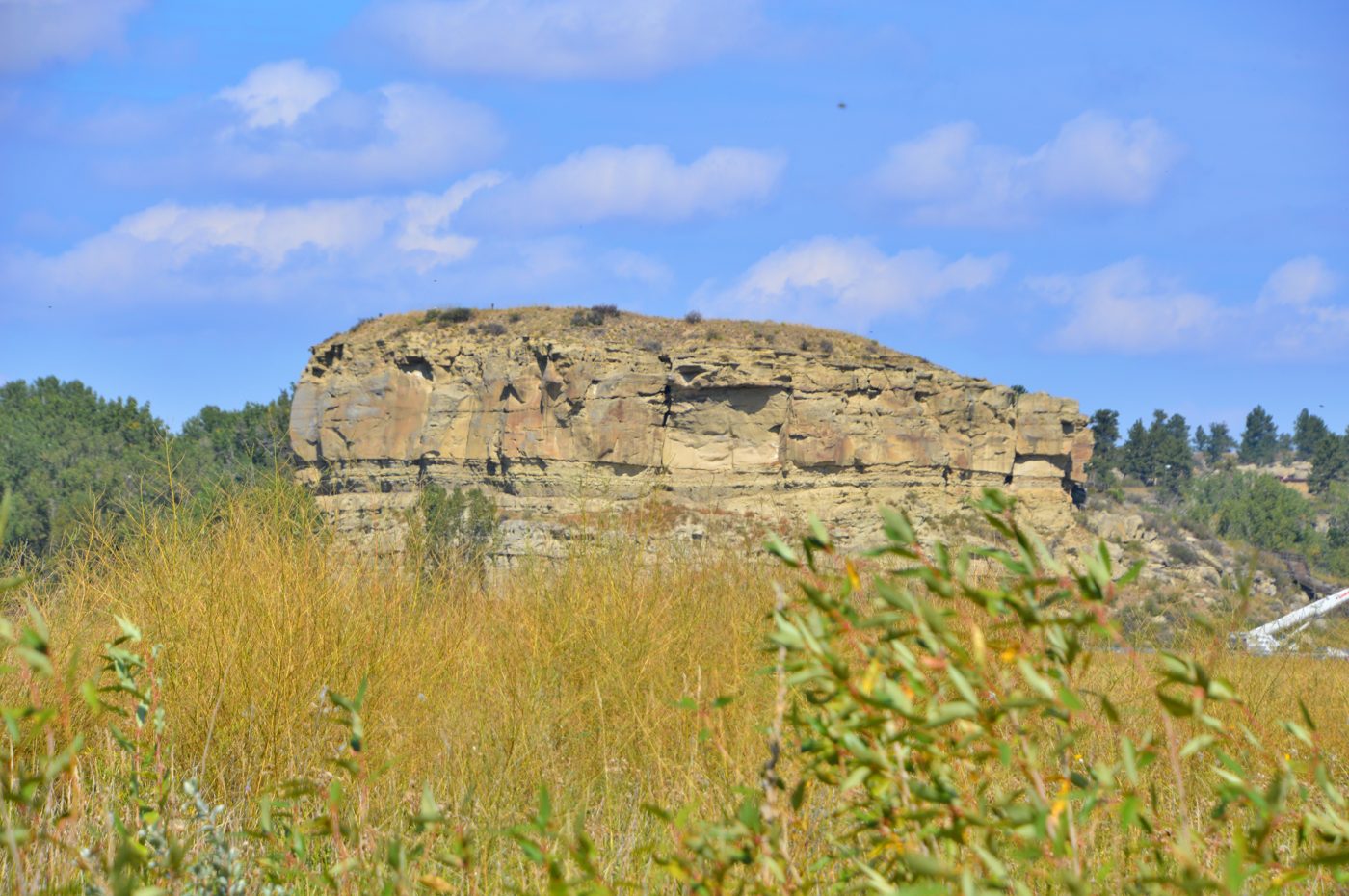
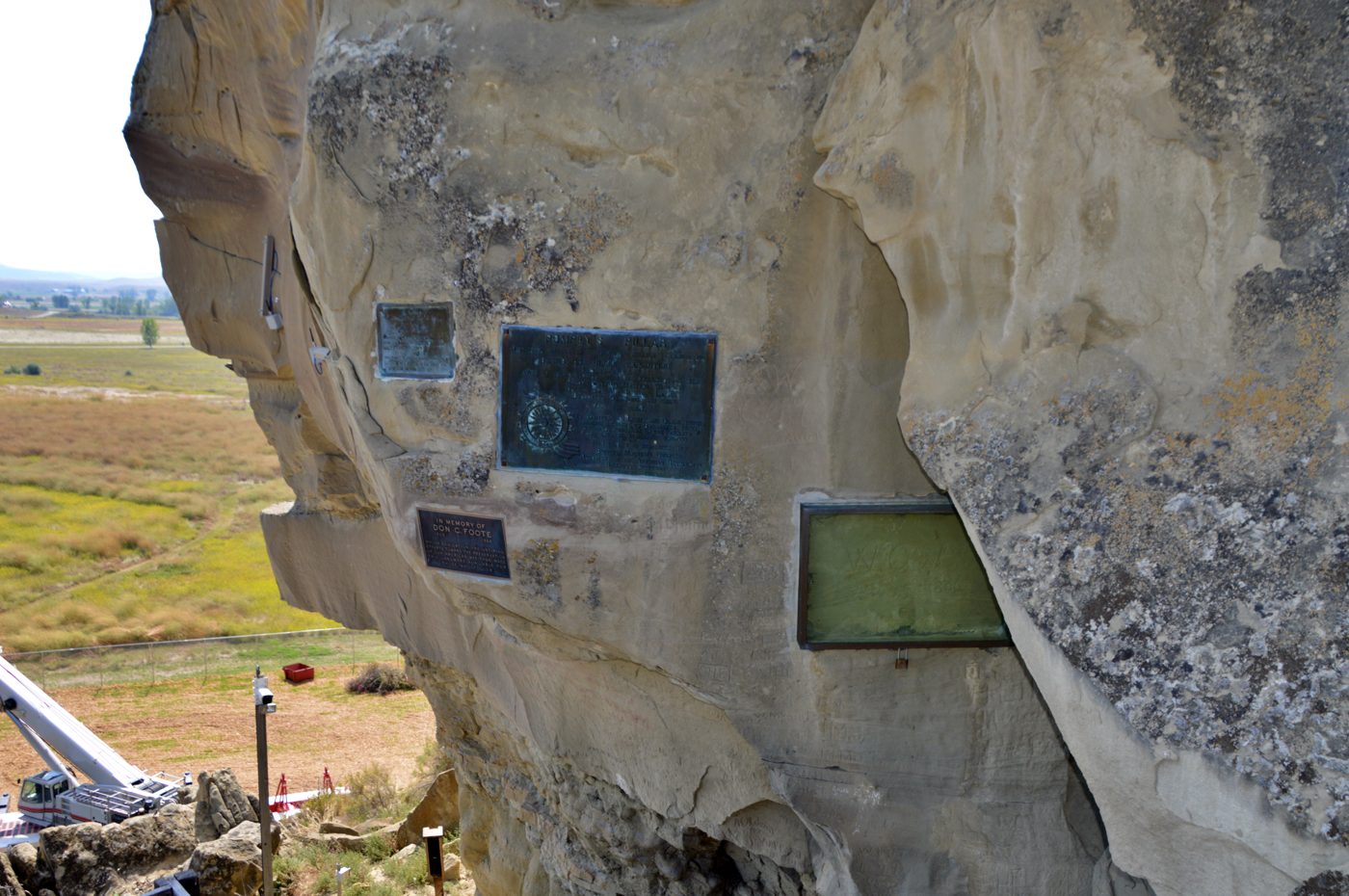
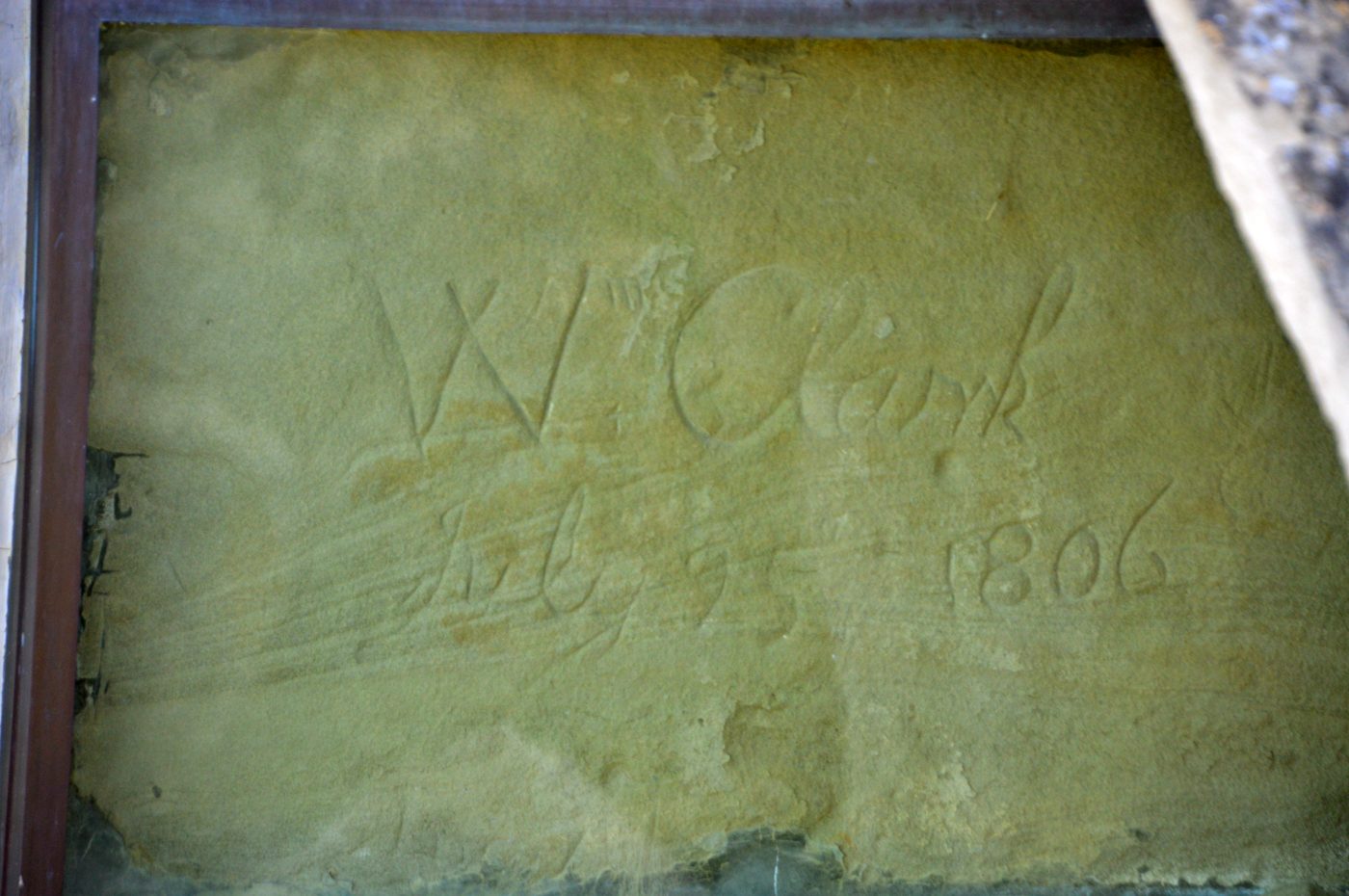
Traveling the Lewis and Clark Trail today means encountering places where history feels remarkably close. At Pompeys Pillar National Monument in Montana, you can stand before the only verified, original physical evidence of the entire expedition still in place —Clark’s own signature, carved into sandstone on July 25, 1806.
Pompey’s Pillar National Monument, Billings, Montana — site of William Clark’s carved signature, July 25, 1806
Clark’s signature and memorial plaques, Pompey’s Pillar National Monument, Billings, Montana
William Clark’s carved signature, July 25, 1806 — Pompey’s Pillar National Monument, Billings, Montana
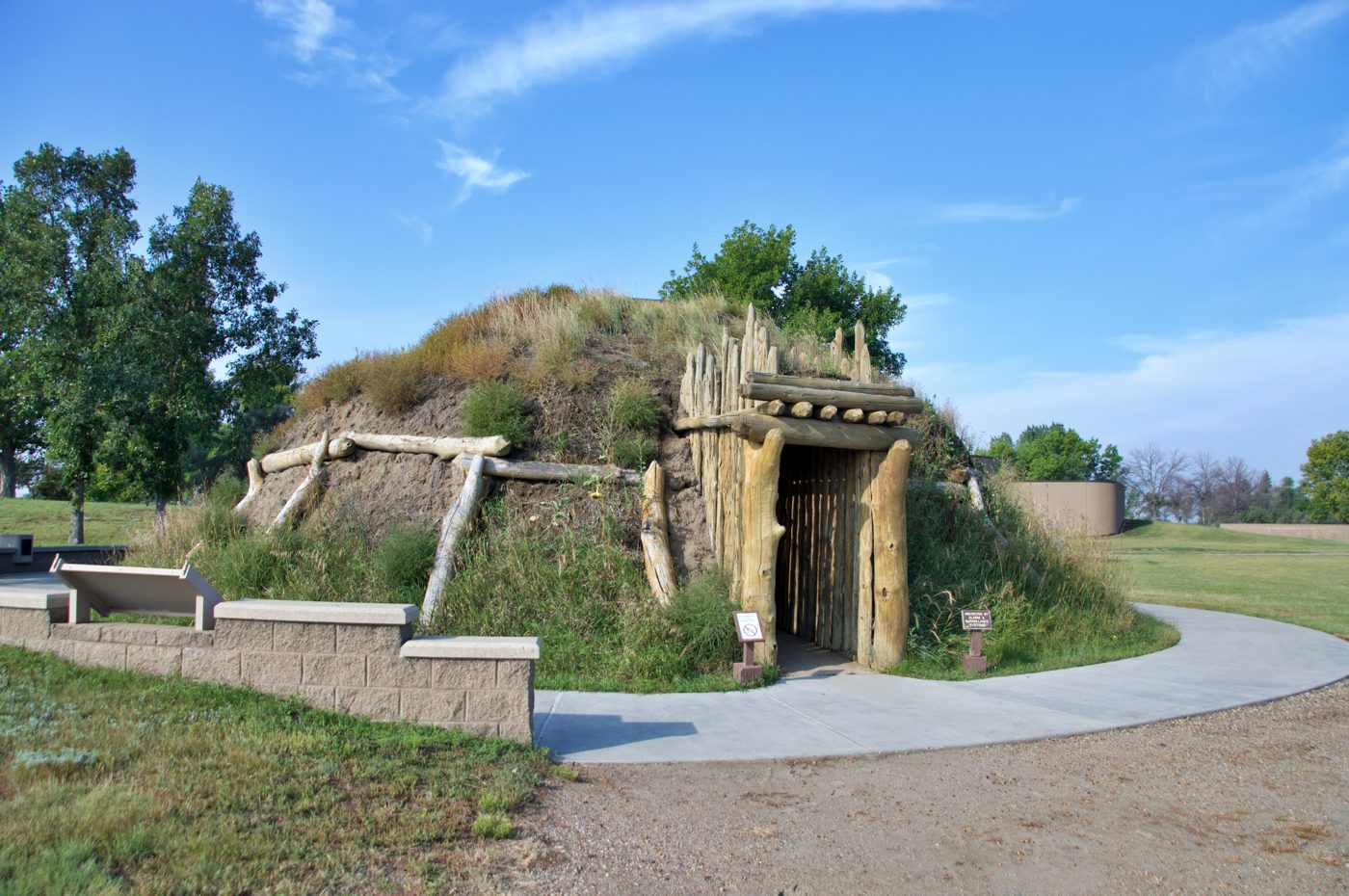
At the Knife River Indian Villages in North Dakota, you can walk among the earth lodge depressions of the very Hidatsa village where Sacagawea lived before joining the Corps.
Reconstructed earth lodge, Knife River Indian Villages National Historic Site, Stanton, North Dakota
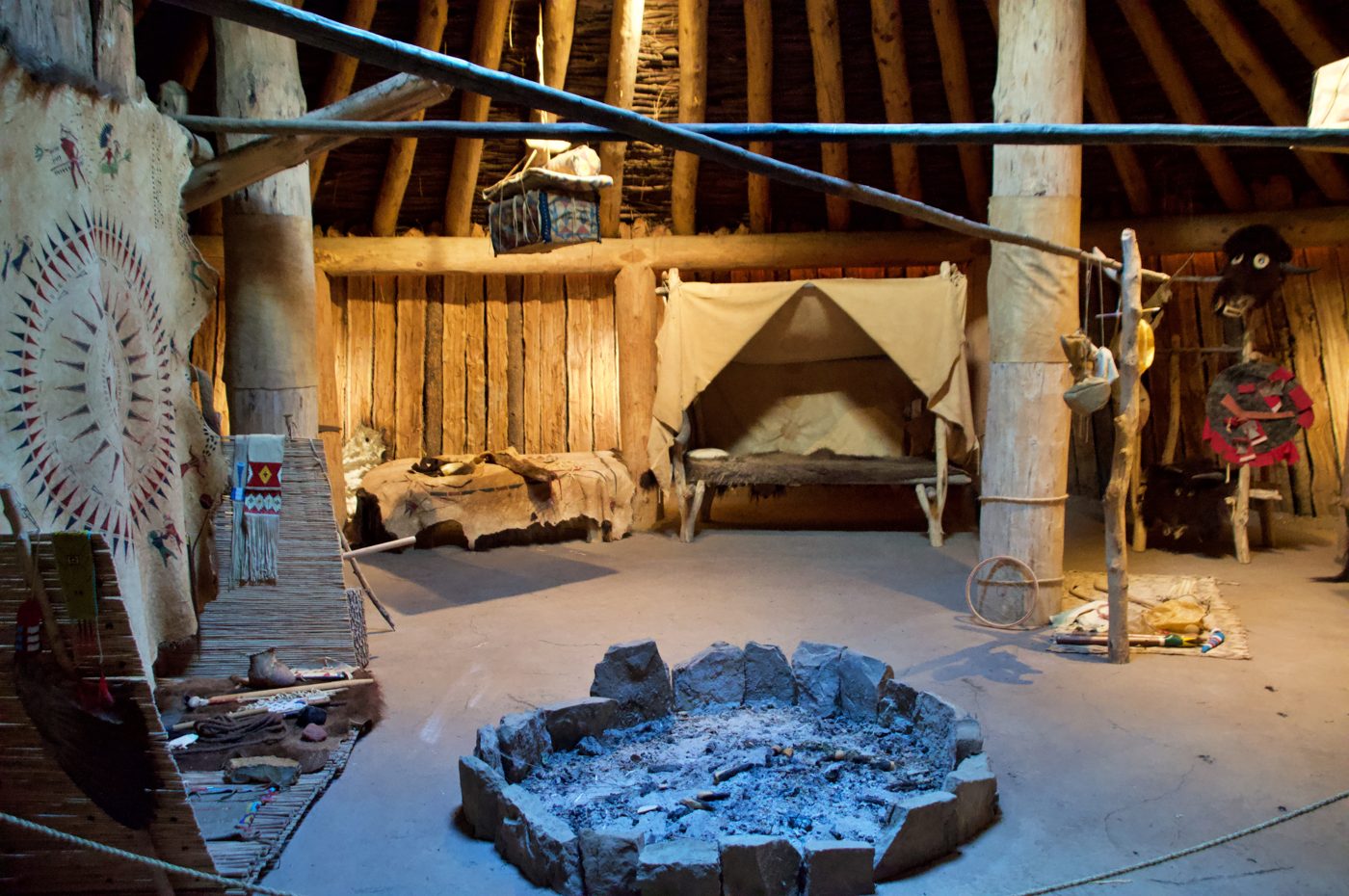
Interior of reconstructed Hidatsa earth lodge, Knife River Indian Villages National Historic Site Stanton, North Dakota
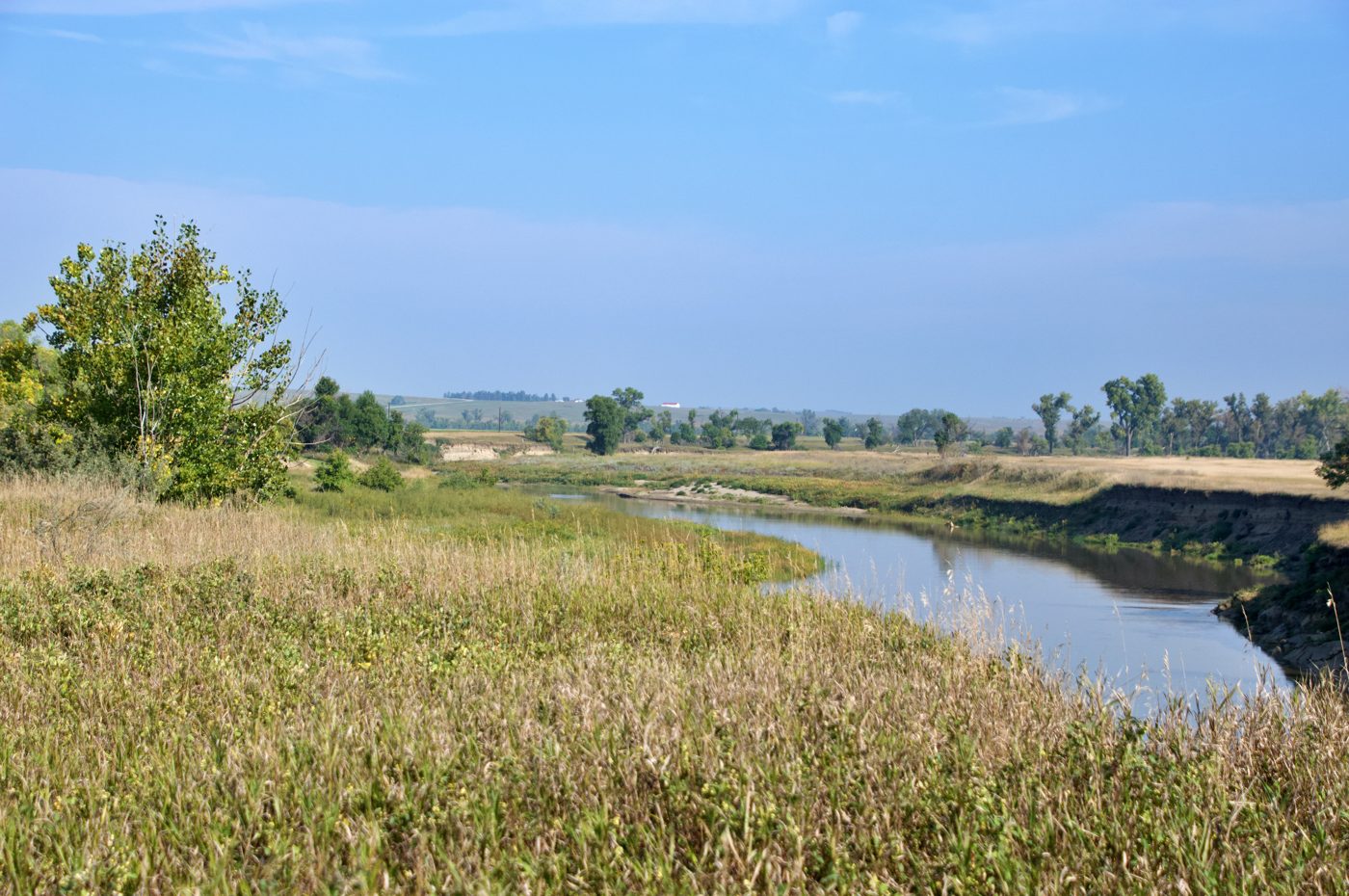
The Knife River, Knife River Indian Villages National Historic Site, Stanton, North Dakota
The Lewis & Clark Interpretive Center in Sioux City, Iowa brings the expedition vividly to life through immersive exhibits built around the story of Sergeant Floyd’s death and burial nearby.
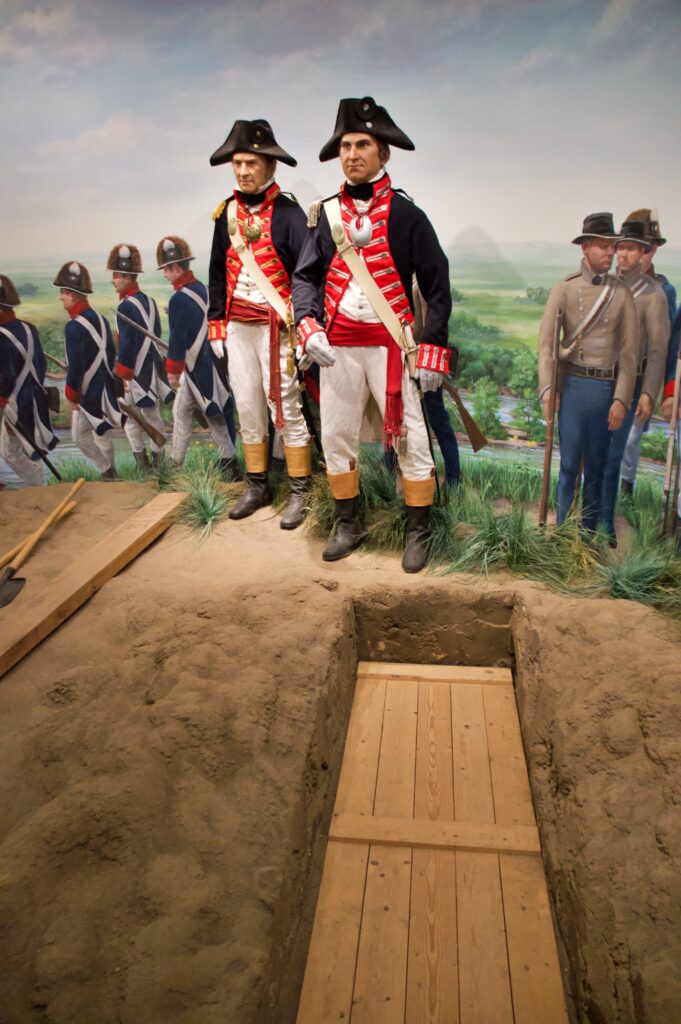
Diorama: Burial of Sergeant Charles Floyd, Lewis & Clark Interpretive Center, Sioux City, Iowa — August 20, 1804
And at the journey’s Pacific terminus, the Astoria Column and Ecola State Park in Oregon mark the windswept coastline where the Corps of Discovery finally completed the westward half of their extraordinary mission — cold, soaked, and triumphant after a year and a half of travel.
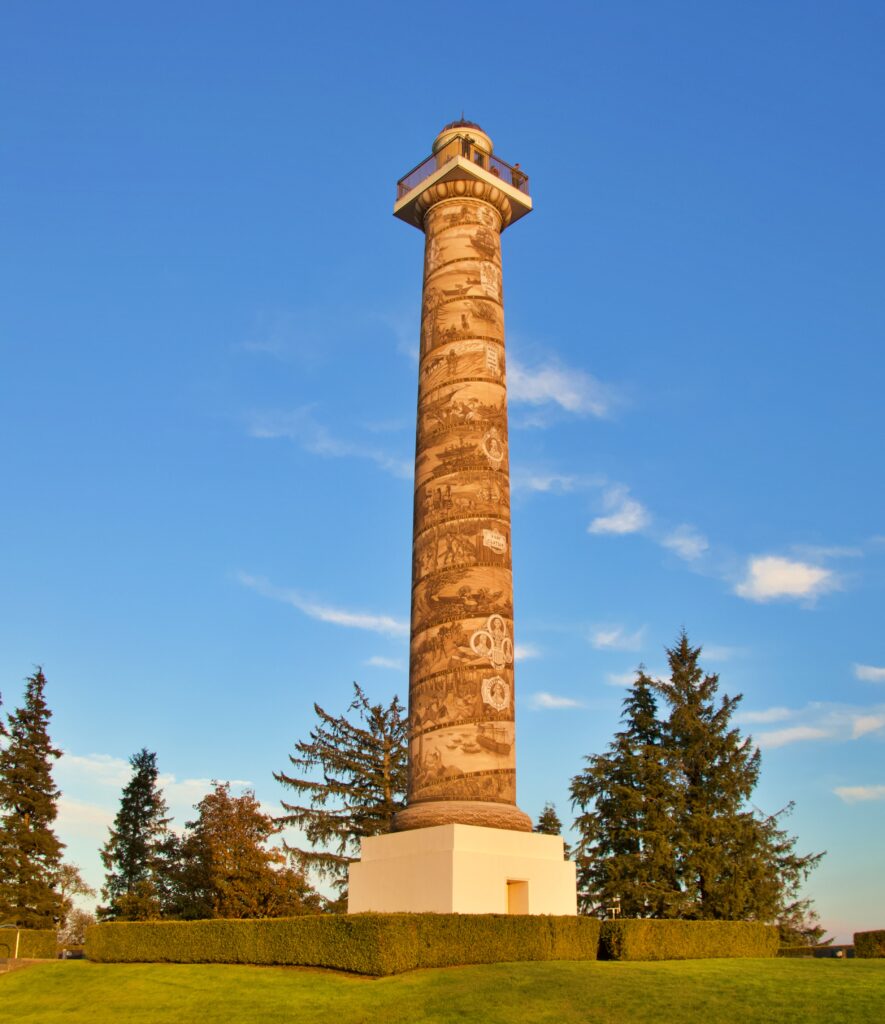
The Astoria Column, Astoria, Oregon — The end of the Lewis & Clark National Historic Trail
A Story Still Being Told
Unlike many chapters of American history, the story of the Corps of Discovery has never stopped being reexamined. Modern scholarship and Native voices have deepened — and at times complicated — the traditional narrative, reminding us that this was not an empty wilderness the expedition crossed, but the long-inhabited homelands of dozens of distinct nations, each with their own history, generosity, and at times grievance with what followed in the decades after Lewis and Clark passed through.
That complexity doesn’t diminish the expedition’s significance — if anything, it makes the full story more compelling. The Corps of Discovery succeeded because of extraordinary individual courage and because of the hospitality and knowledge of Native nations who had no obligation to help and every reason for caution. Both truths belong in how we remember this journey today.
Continue Exploring the Trail
Ready to go deeper? Explore the Lewis and Clark National Historic Trail state by state — 147 historic sites across 10 states, from Camp Dubois to Fort Clatsop. Want to take it with you? Download the free Lewis & Clark Trail guide for offline planning.