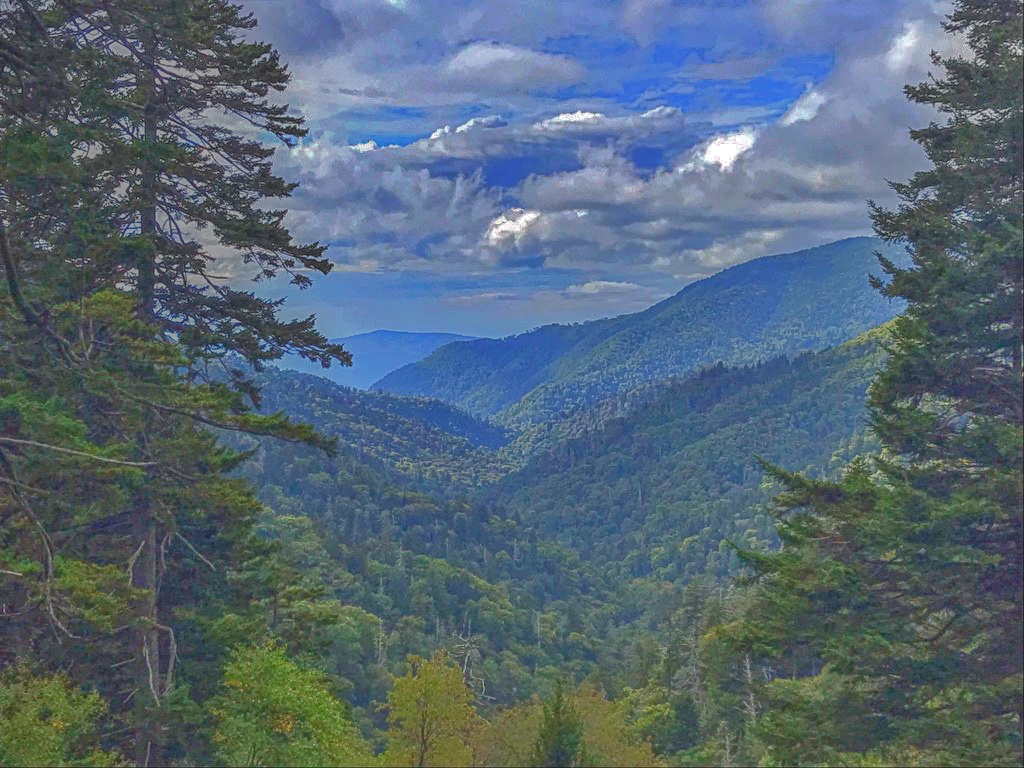
Great Smoky Mountains National Park is one of those places that feels familiar even on a first visit.
Maybe it’s the way the mountains stretch out in layers, or the way the landscape shifts with the light and the weather. There’s a quiet rhythm to the Smokies—something steady and unhurried—that settles in quickly.
Even without years of returning, it’s easy to understand why so many people do.
Some places invite you to explore. Others invite you to come back.
The Smoky Mountains seem to do both.
First impressions
The first thing you notice in the Smoky Mountains is the layers.
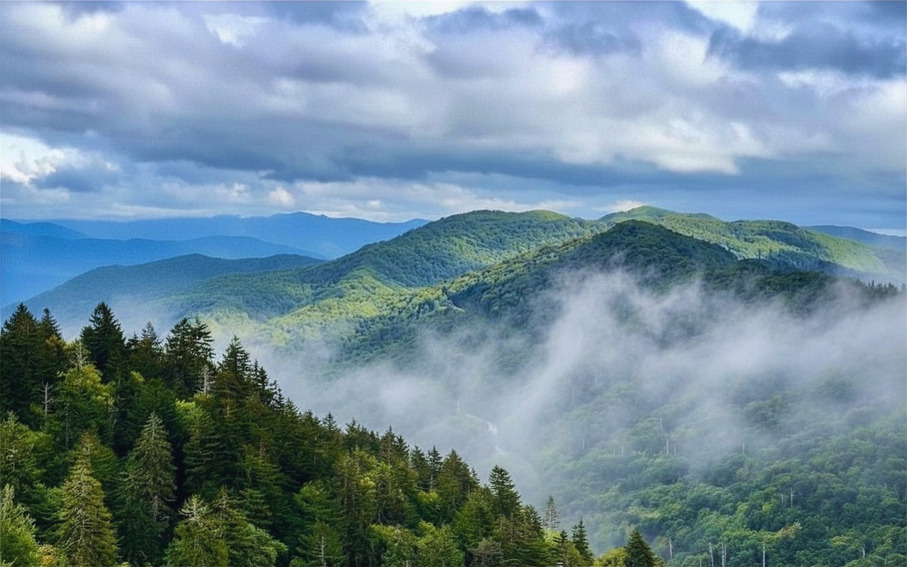
Ridge after ridge rises into the distance, fading from deep green into soft blue as they stretch farther away.
From overlooks like Newfound Gap, the view feels almost endless—but never overwhelming.
Even as the landscape opens wide, the forest surrounds you—dense, textured, and constant. Trees fill the slopes in every direction, creating a sense that you’re not just looking at the mountains, but standing within them.
There’s a feeling here of being fully immersed. Not just in the scenery, but in the atmosphere of the place itself.
Exploring Cades Cove
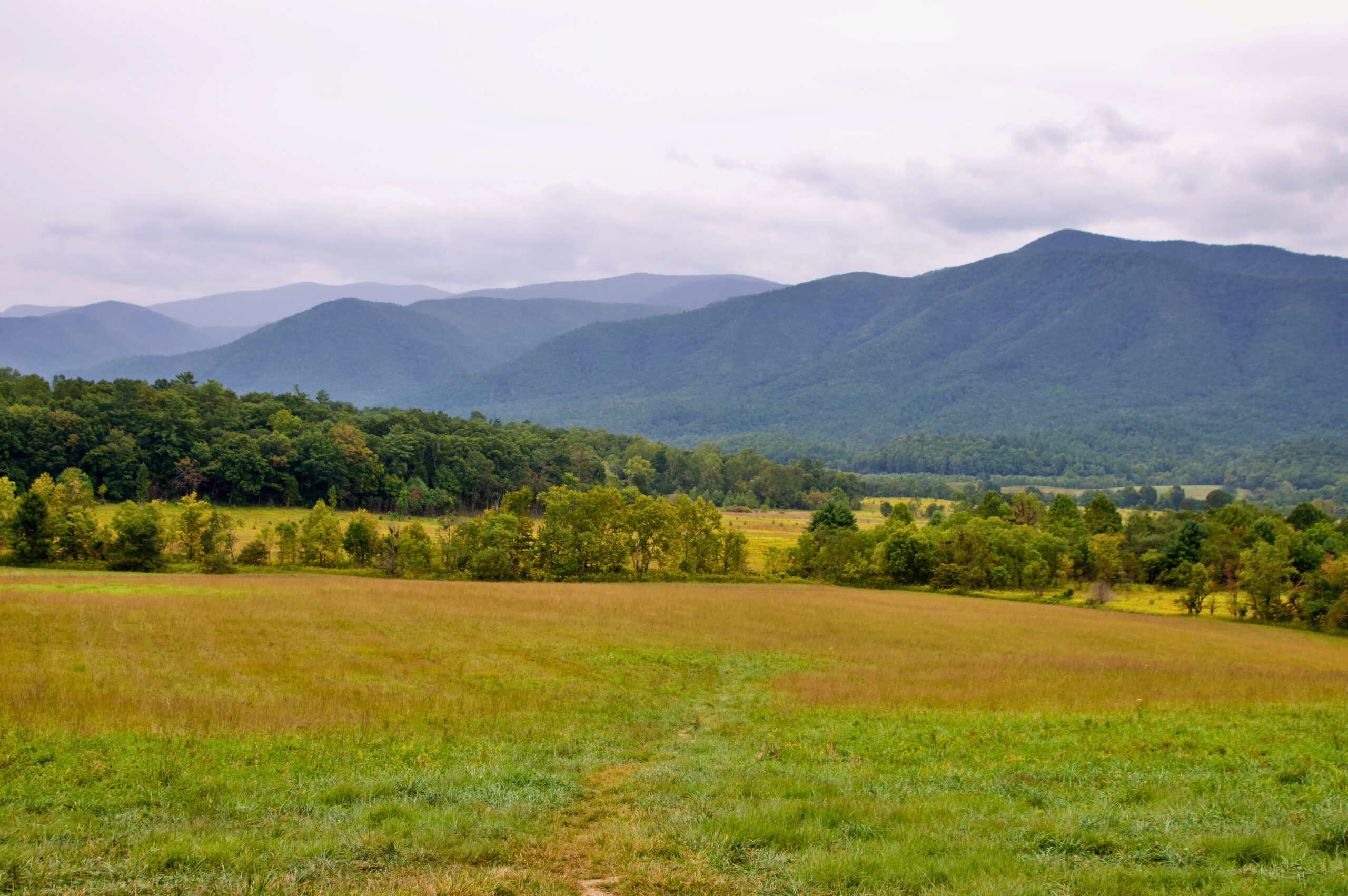
Cades Cove feels different from the rest of the Smoky Mountains.
After winding through dense forest and layered overlooks, the landscape suddenly opens into a broad valley, surrounded by mountains on all sides. It feels quieter here in a different way—less enclosed, but no less still.
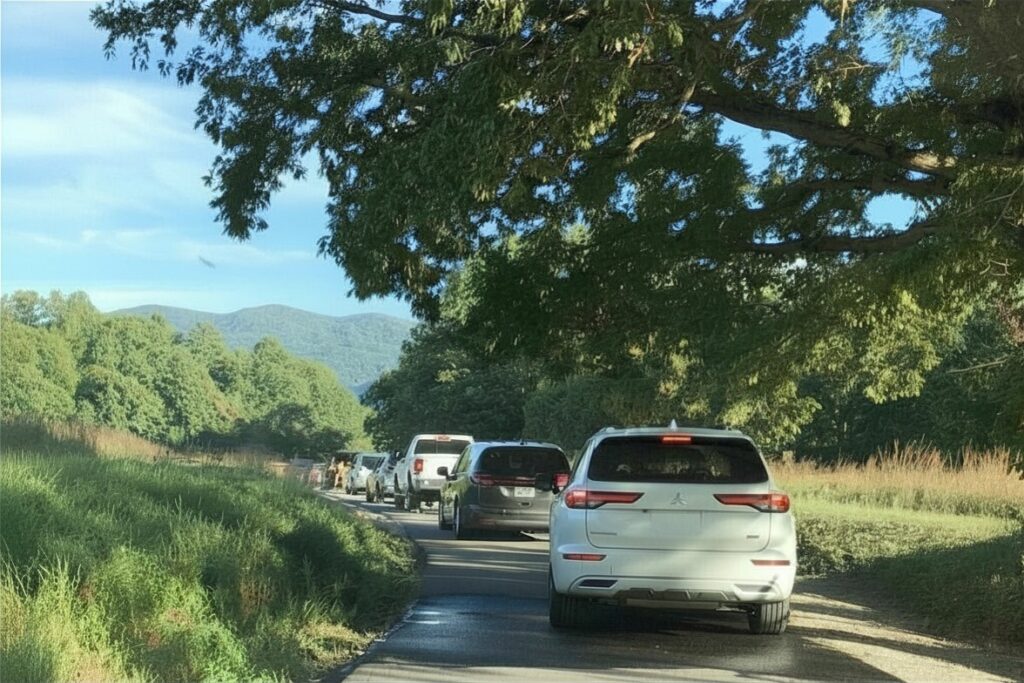
The loop road moves slowly, both by design and by necessity.
Cars ease along the narrow road, stopping often—sometimes for views, sometimes for wildlife, and sometimes for no clear reason at all. It’s the kind of place where you don’t rush, because there’s nowhere you need to be next.
There’s a rhythm to Cades Cove that reveals itself over time.
Open fields stretch toward the edges of the forest, interrupted by historic cabins, fences, and occasional glimpses of movement in the distance. It’s easy to imagine what this place once was—and in many ways, it doesn’t feel all that far removed.
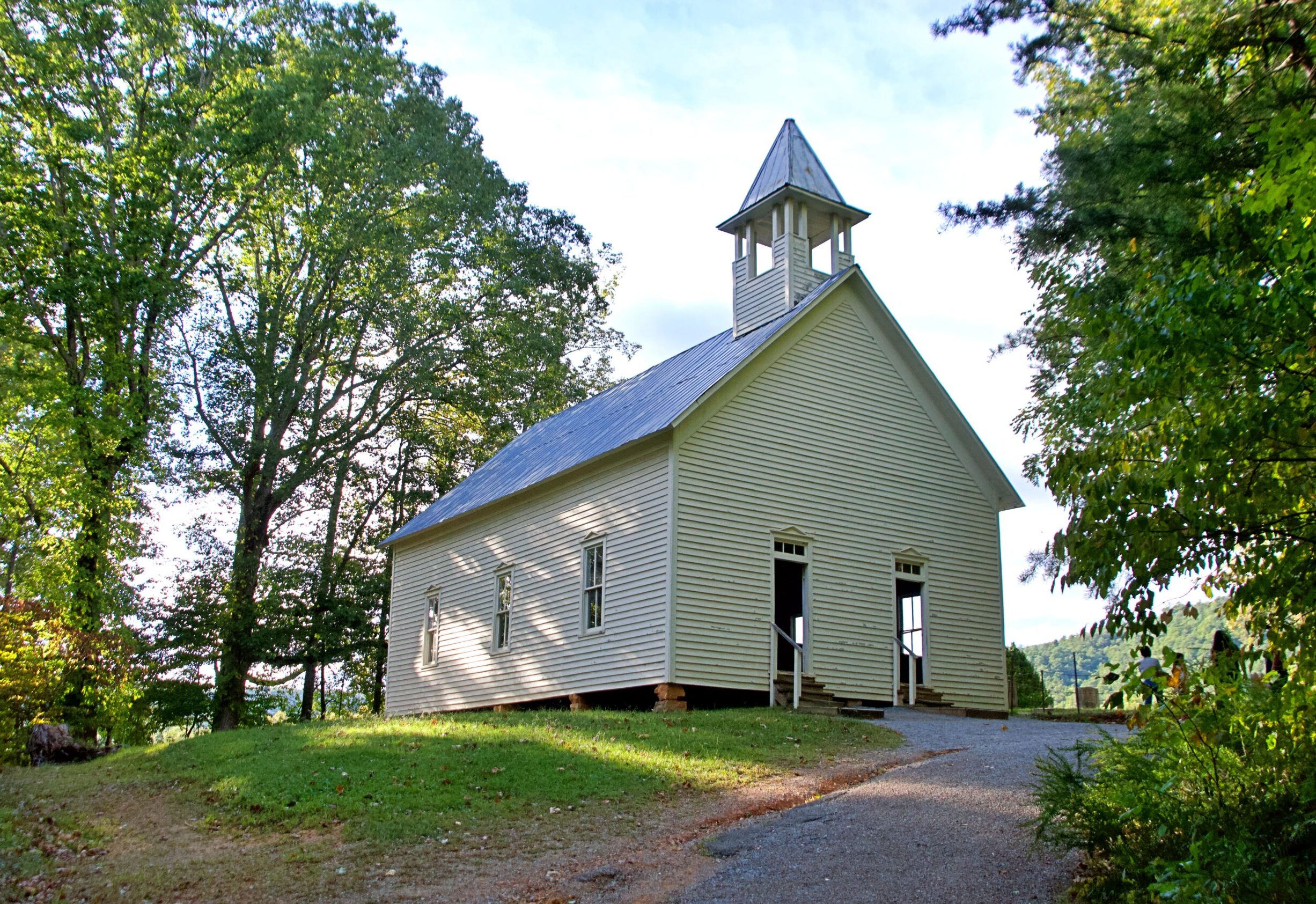
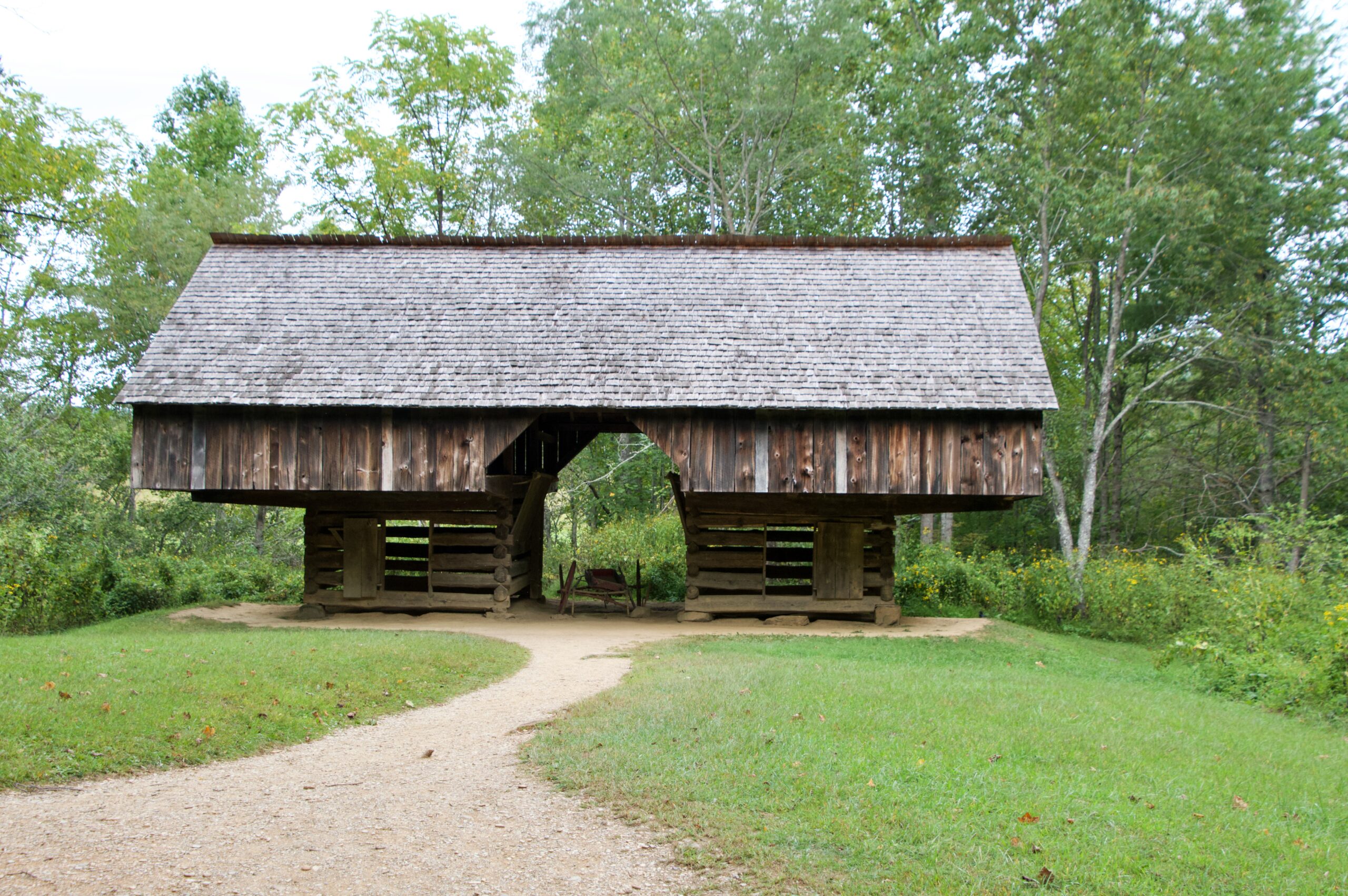
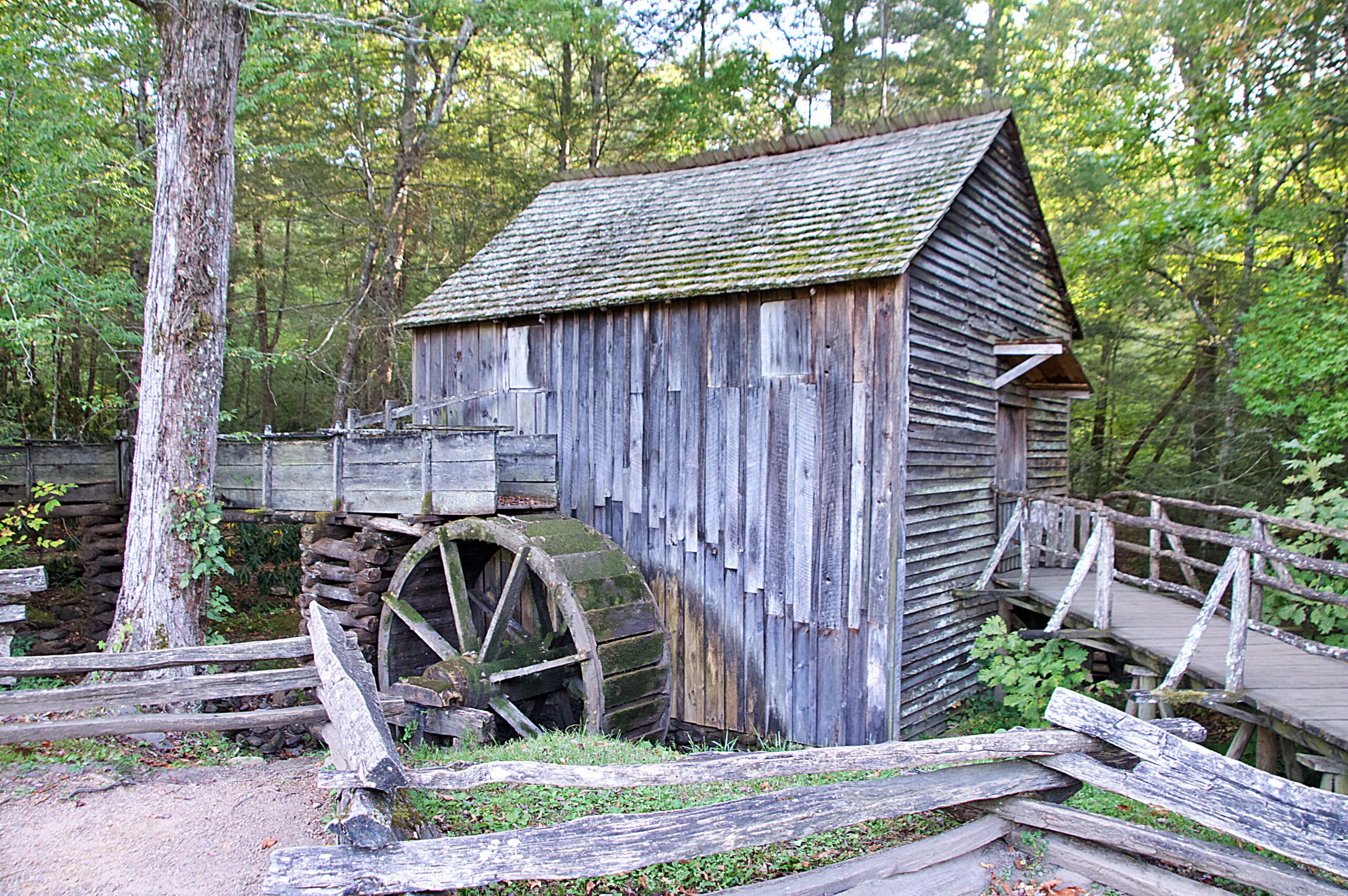
Camping there, even briefly, brings you closer to that slower pace.
We arrived in the evening, just as everything was settling down for the night. The campground was quiet—almost completely empty—and for a short time, it felt like we had the entire place to ourselves.
There’s something about that kind of quiet that stays with you.
Not just the absence of noise, but the feeling that you’ve stepped slightly outside of your usual pace, into something more unhurried.
By the next morning, things had shifted.
A new camper had arrived nearby, and with that simple change came something unexpected—one of those moments that ends up shaping the entire experience more than any overlook or trail.
An Unexpected Connection in Cades Cove
Sam was the kind of person who had never met a stranger. Before long, he wandered over and offered to help us get a campfire started. What began as a simple gesture turned into something more.
He was celebrating his birthday in the Smoky Mountains and as the weekend unfolded, Sam began sharing his story.
He lived in a small town in Tennessee, just a couple of hours from the park. Over the years, he had returned here again and again—in every season. He had seen the Smokies in spring, in snow, and in all the quiet moments in between.
It wasn’t just a place he visited. It was a place woven into his life.
He had brought his children here as they grew up, building memories that stretched across years. It was clear, in the way he spoke, that he carried a deep and lasting connection to the Smoky Mountains.
Sam knew the park in a way that only comes with time.
Not just the well-known stops, but the hidden details—the kind of knowledge earned through years of walking the same paths and paying attention.
He shared stories of places most people never see:
- a cave that can only be visited with permission from the National Park Service
- moments that felt almost unexplainable, like sensing a presence near the Carter Shields Cabin
- and a lesser-known place he called the Pearl Harbor Tree
The next day we tried to find the Pearl Harbor Tree ourselves, following his directions as best we could while driving through Cades Cove.
We never found it. So that evening, Sam and his wife offered to take us.
We climbed into his pickup truck, and as we made our way around the loop, he pointed out places where he had seen bears and wildlife over the years—stories layered into the landscape we were still just beginning to understand.
Eventually, he pulled into a nondescript spot along the side of the road.
From there, we walked uphill to the tree.
The Pearl Harbor Tree
The place Sam wanted to show us wasn’t marked or obvious.
It wasn’t something you would stumble across without knowing where to look.
He called it the Pearl Harbor Tree.

Tucked quietly above the road in Cades Cove, the tree stands as an informal tribute—one that has grown over time through the people who have found it and chosen to leave something behind.
Small American flags, ribbons, and tokens of remembrance have been placed around the tree, creating a space that feels both personal and shared.
The tree is believed to be a quiet memorial connected to the memory of Pearl Harbor and those who served during World War II. It isn’t an official site within the park, but rather a place that visitors have shaped over the years—one that reflects individual acts of remembrance rather than formal designation. The history behind the tree turned out to be as remarkable as the tree itself. You can read the history of the tree here.
When we climbed the hill and saw it for the first time, it was simple.
Unassuming, even.
But there was something about it—the stillness, the intention behind the objects left there—that made it feel meaningful in a way that’s hard to explain.
We spent a few quiet moments there, taking it in.
It wasn’t just the history or the tribute—it was the experience of being shown something that mattered deeply to someone else.
We left with the thought that one day, we’d like to return and bring a small flag of our own.
Not because it’s expected, but because it feels like the kind of place where people come back—not just to see it again, but to honor it in their own way.
Seeing the Pearl Harbor Tree was meaningful in its own quiet way—a simple, unofficial tribute tucked into the landscape.
But what stayed with us wasn’t just the place.
It was the experience of being led there by someone who cared about it.
Sam was a humble man, someone who had worked hard his entire life. He was involved in his community—a member of the Lions Club, a supporter of St. Jude’s.
At one point, he reached into his truck and handed us a few St. Jude’s t-shirts he had with him.
It was a small gesture, but one that stayed with us.
Every time I see a St. Jude’s commercial now, I think of Sam.
Hidden Gems of the Smokies
The Smoky Mountains aren’t just defined by their overlooks and well‑traveled paths.
Some of the most memorable parts of the park lie just beneath the surface—quiet places, old stories, and details you might never notice unless someone takes the time to point them out.
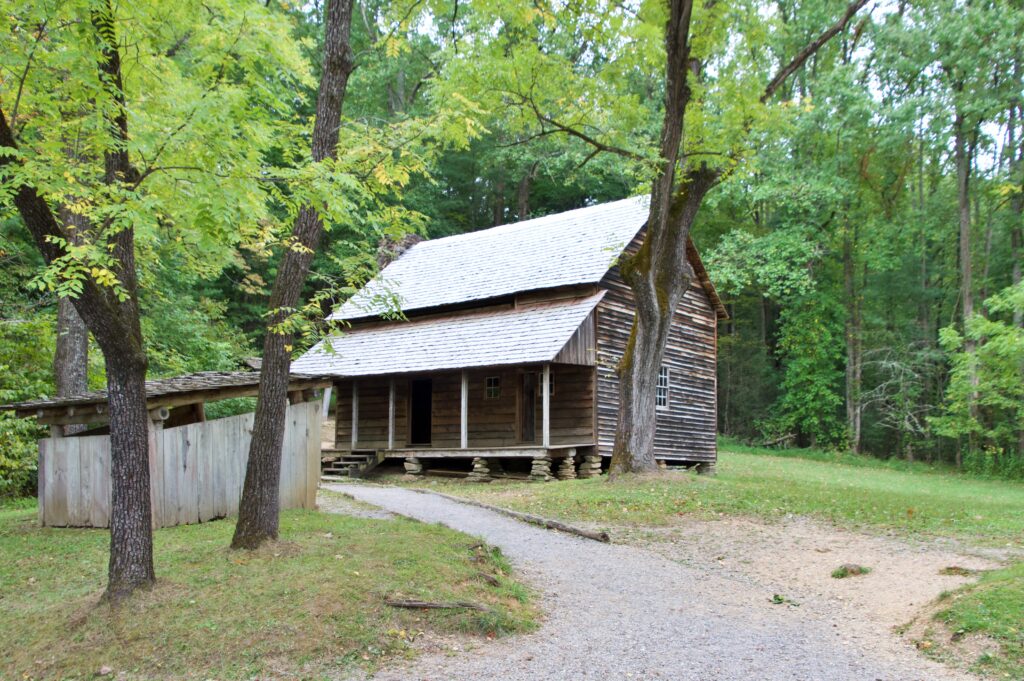
During our time in Cades Cove, Sam shared pieces of the park that went beyond what you’ll find on a map.
He talked about places that required permission to visit, like a cave tucked away within the park. He mentioned moments that felt harder to explain—like sensing something unexpected near the Carter Shields Cabin, where history and atmosphere seem to linger.
Whether those stories are rooted in history, memory, or something less tangible, they add another layer to the Smokies.
It becomes less about what you can check off a list and more about what you discover over time—sometimes through experience, and sometimes through the people who know the park best.
Slowing Down in the Smoky Mountains
Spending time in the Smoky Mountains changes your pace, whether you intend it to or not.
What begins as a plan to see as much as possible gradually shifts into something quieter. The longer you stay, the more the details begin to stand out—the sound of water moving through the trees, the way the light filters through the forest, the stillness that settles in between moments.
It’s not always the sweeping views that stay with you the most.
Sometimes it’s the smaller, quieter places—the ones that ask you to slow down and simply be there for a while.
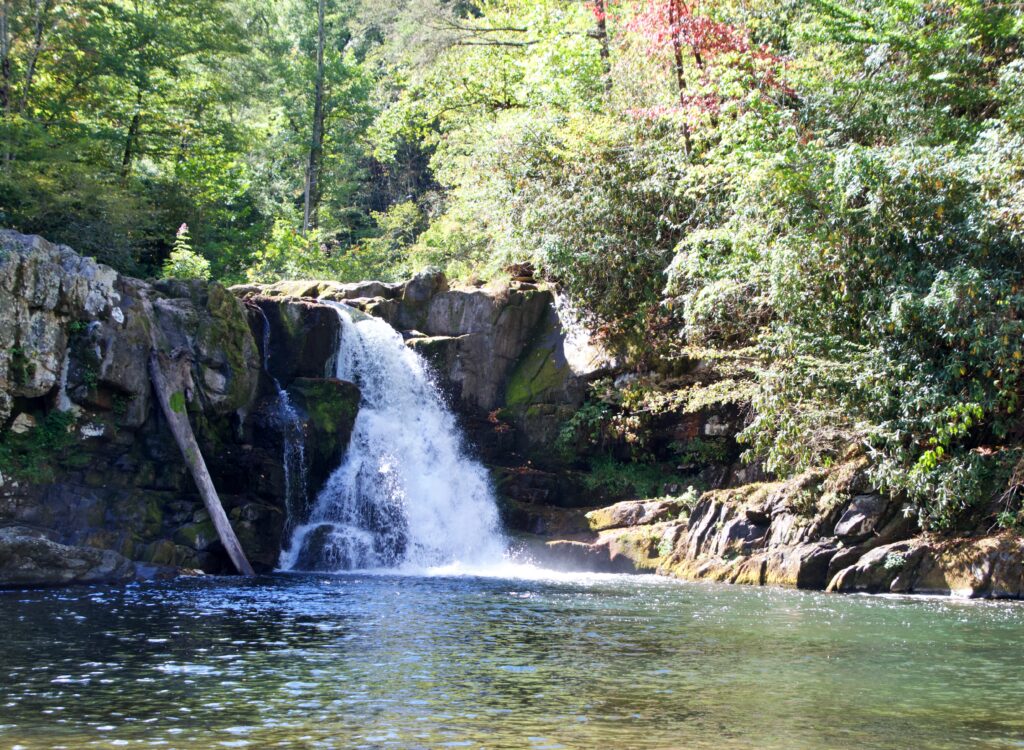
Standing near a waterfall, you can feel that shift happen.
The steady movement of water, the surrounding stillness, the sense that time is no longer moving quite as quickly—it creates a moment that doesn’t need anything else added to it.
In a place like this, it becomes easier to let go of the need to keep moving.
To sit for a moment.
To listen.
To notice.
And to realize that sometimes, the experience isn’t about where you go next, but about allowing yourself to stay where you are, just a little longer.
Why the Smoky Mountains Stay With You
The Smoky Mountains are known for their views—the rolling ridges, the layered horizons, and the quiet beauty that stretches in every direction.
And those are the things you remember at first.
But over time, what stays with you isn’t always the landscape itself.
It’s the moments that happen within it.
A conversation around a campfire.
A shared story.
A place someone cared enough about to show you.
And when I think of the Smoky Mountains, I don’t just think of the views or the trails.
I think of the people you meet along the way—the unexpected connections that become part of the experience.
Wild Wanderings: A National Park Journal
National parks have a way of leaving lasting impressions—quiet moments, unexpected views, and details that often slip past unless there’s space to notice them.
Wild Wanderings was created as a companion to thoughtful travel. Rather than serving as a checklist, the journal offers room to slow down, reflect, and record the experiences that shape each visit, whether it’s a first impression at a scenic overlook or a familiar trail walked again.

What You’ll Find Inside
The Wild Wanderings National Park Journal is designed to support experience-led travel.
Each section provides space to:
- capture first impressions and moments that linger
- note standout trails, viewpoints, and wildlife encounters
- reflect on how a place felt, not just what was seen
Practical elements are included where helpful, but the emphasis remains on observation and memory rather than itinerary.
A Companion to the Writing
The journal was created alongside the writing on Discover US Adventures and is meant to complement it—not replace it.
While the site explores national parks and destinations through long‑form, experience‑focused storytelling, the journal provides a personal space to document your own encounters with these places.
Availability
Wild Wanderings is available for purchase through Amazon in print.
As an Amazon affiliate, Discover US Adventures may earn a small commission from qualifying purchases made through links on this page. This comes at no additional cost to you and helps support the continued work on this site.
Whether you’re visiting your first park or returning to places already familiar, Wild Wanderings invites you to travel with attention and carry those experiences forward.