Rocky Mountain Travel Guide
This guide brings together practical details and observations from time spent in Rocky, offering a way to plan your visit while still leaving space to experience the landscape more intentionally.
Exploring the Park
The park is most easily understood as two halves connected by one legendary road. Trail Ridge Road is the highest continuous paved road in the United States, cresting at 12,183 feet and running 48 miles between Estes Park on the east side and Grand Lake on the west.
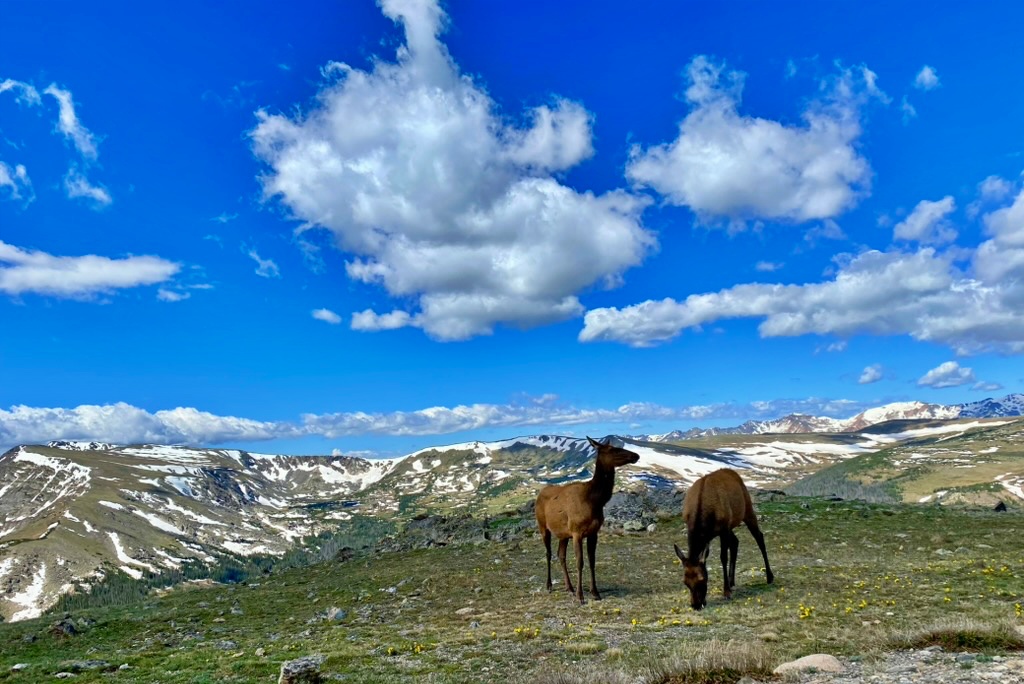
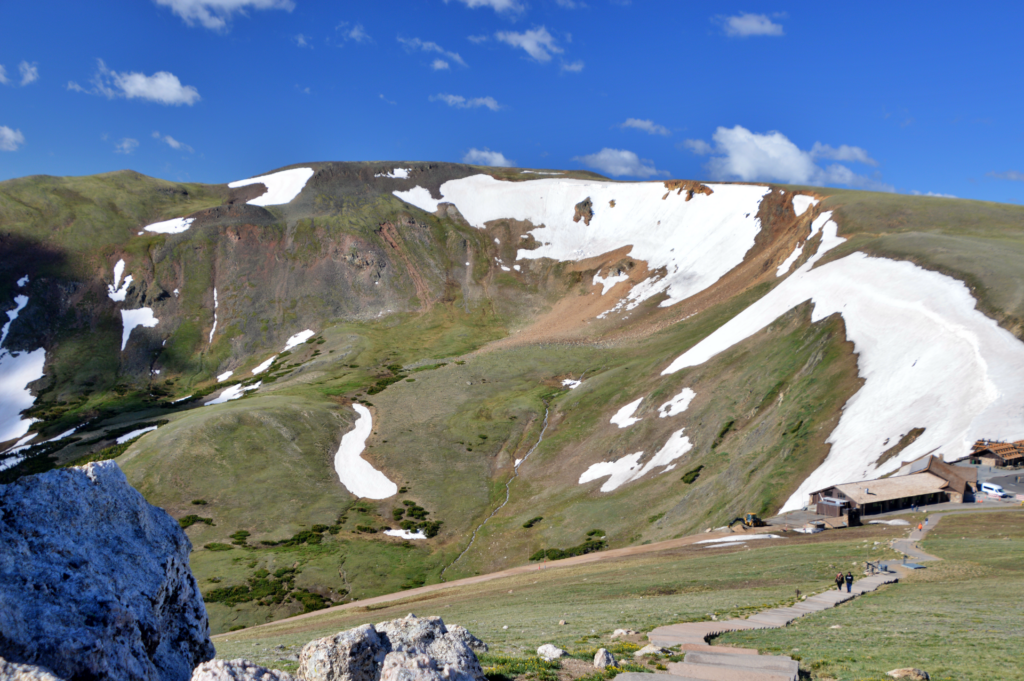
Along the way, it climbs through nearly every ecosystem the park holds — dense forest gives way to open meadow, then to alpine tundra above treeline, with 11 miles of the drive sitting above the tree line entirely. Budget at least 2 hours for the drive one-way without stops, and closer to 3-4 hours if you plan to pull off at overlooks or the Alpine Visitor Center, the highest visitor center in the entire National Park Service.
The road is seasonal, typically opening around Memorial Day weekend and closing by mid-October, depending on snow.
Where to Spend Time
Rocky Mountain National Park rewards visitors who balance its famous viewpoints with quieter corners.
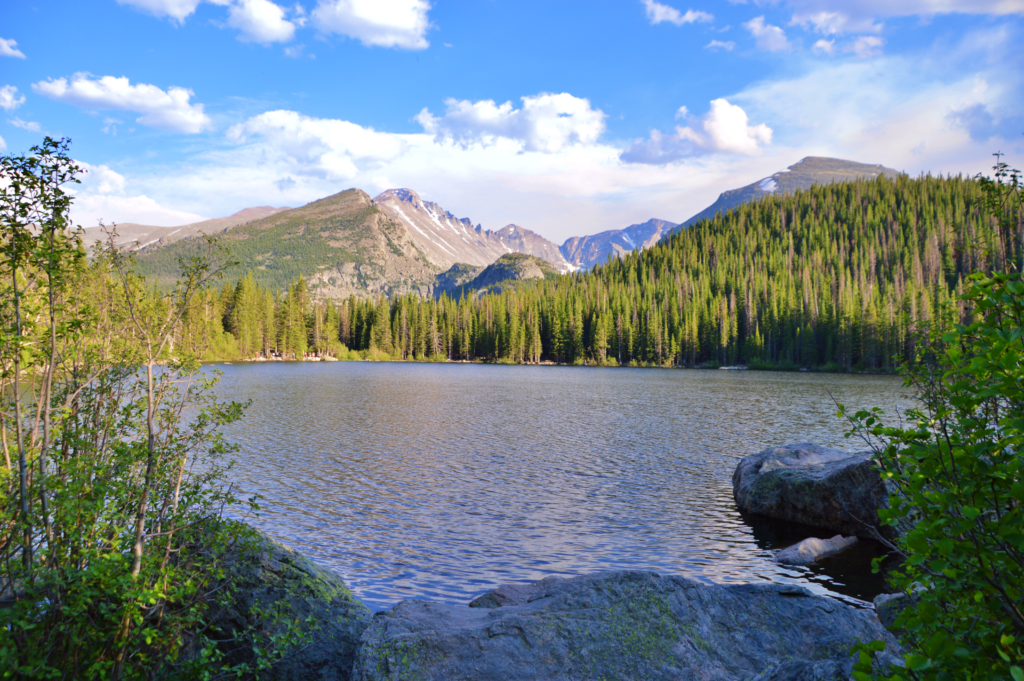
Bear Lake & Sprague Lake — easy, accessible lakes with surrounding trails; Bear Lake is the gateway to the park’s most popular hikes (Nymph, Dream, and Emerald Lakes).
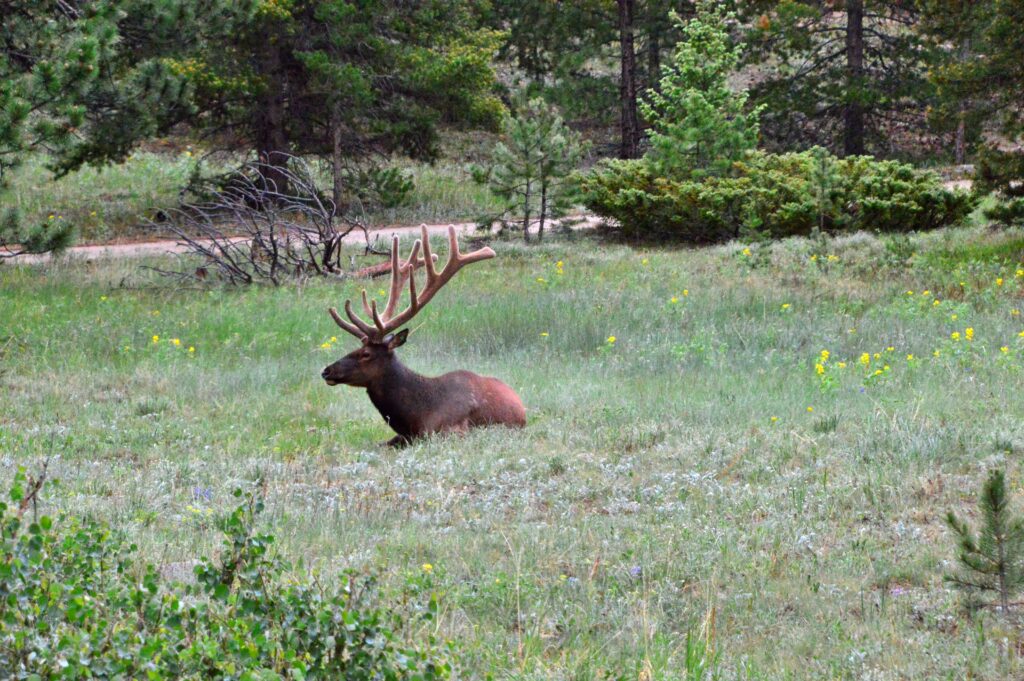
Moraine Park — a wide, open valley where elk gather in the evenings and the changing light shapes the whole scene.
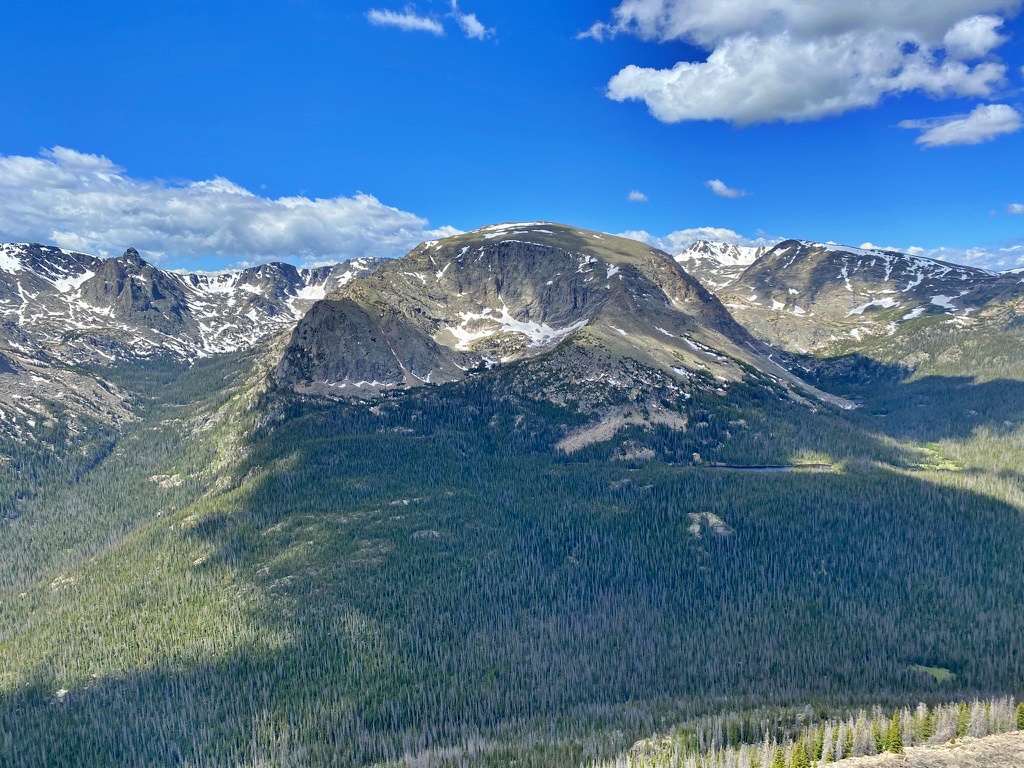
Trail Ridge Road’s high points — for the scale of the park to really sink in, nothing beats standing above treeline with the Continental Divide stretching in every direction.
Wild Basin & Lily Lake — on the park’s quieter southeast side, both are reachable without a Bear Lake Road timed entry permit.
The Kawuneeche Valley — on the west side, a slower-paced alternative with the Colorado River’s headwaters and the historic Holzwarth homestead.
Hiking
Hiking here ranges from flat, lake-circling strolls to steep, high-altitude routes that gain elevation fast.
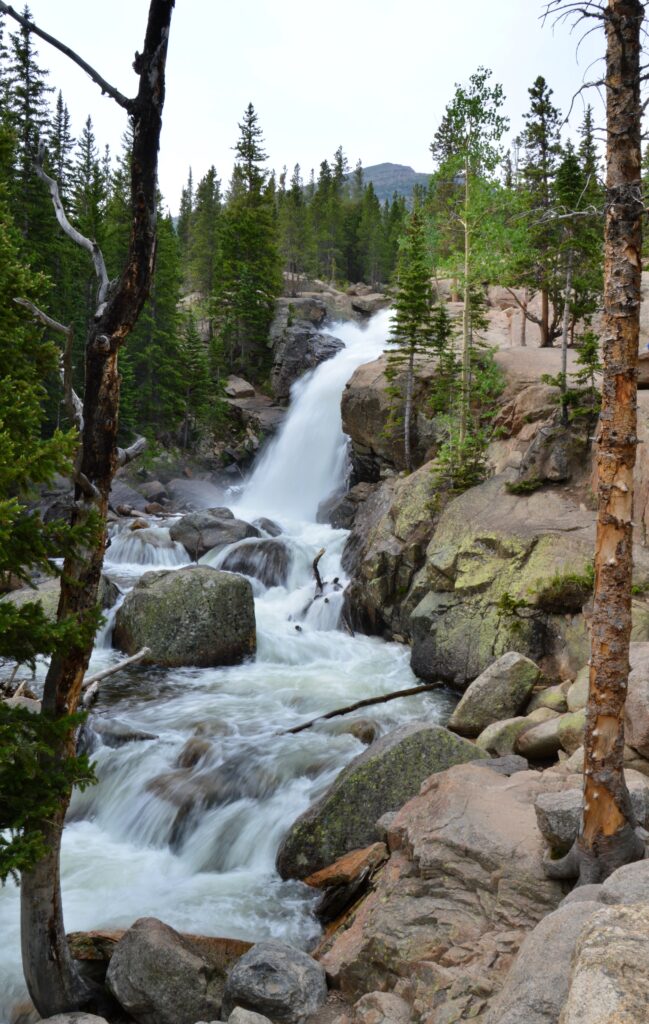
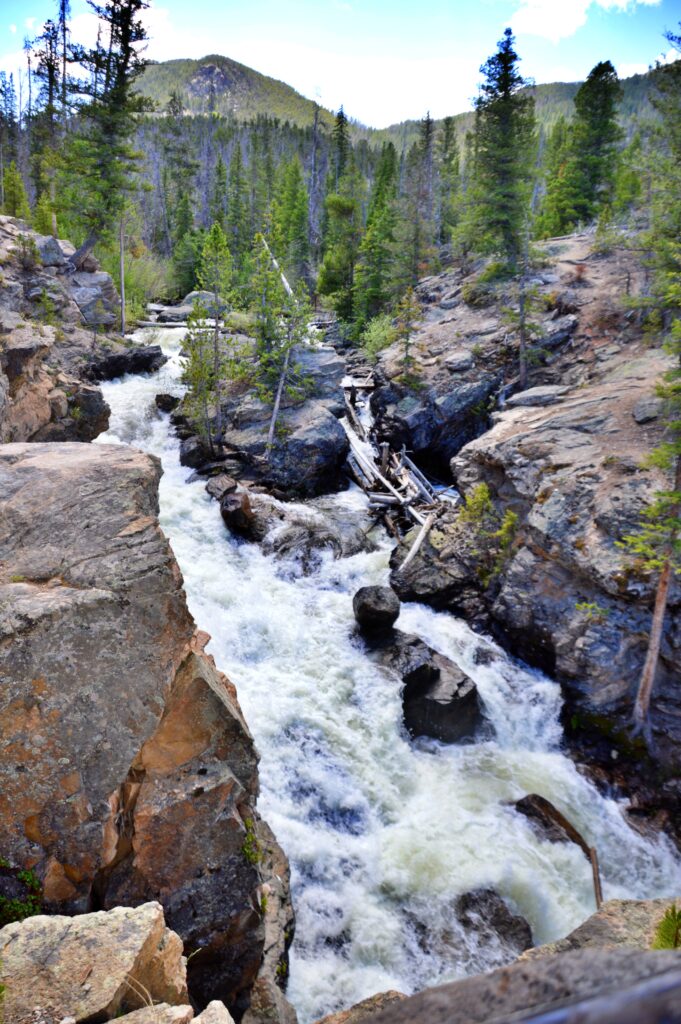
Easy: Sprague Lake, Bear Lake, Lily Lake, Alberta Falls (1.6 miles round trip from the Glacier Gorge Trailhead, a popular first stop for anyone continuing on toward Mills Lake or The Loch), Adams Falls (a short 0.6-mile round trip on the park’s west side, near Grand Lake) — all under 2 miles round trip.
Moderate: Nymph, Dream & Emerald Lakes (about 3.6 miles round trip), Copeland Falls and Calypso Cascades in Wild Basin.
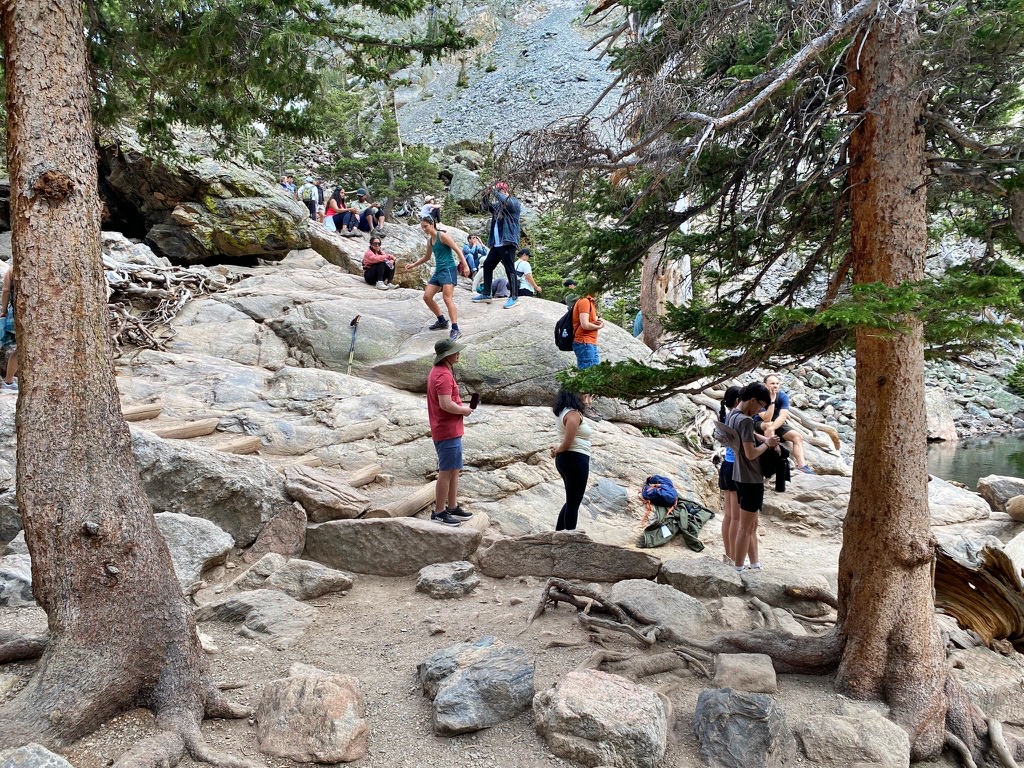
Emerald Lake in particular stays busy well past the morning rush — even a late-afternoon visit doesn’t guarantee any solitude. The shoreline is small, and you may find yourself waiting your turn for an open patch of rock to take a photo without a crowd of other hikers in the frame. (For the full story of that hike — crowds and all — see “Returning to the High Places.”)
Harder: Ouzel Falls (about 5.4 miles round trip), Sky Pond, or anything above treeline.
Regardless of difficulty, altitude plays a bigger role here than distance does. Many trailheads start above 8,000 feet, and it’s worth giving your body a day to acclimate before attempting anything strenuous.
When to Visit
Summer (June–August): Full access to every road and trail, wildflowers at their peak, but also the busiest and most crowded season, and when the timed entry system is in effect.
Fall (September–October): Cooler temperatures, aspens turning gold, and elk rutting season — one of the best times to see and hear elk bugling in Moraine Park and Horseshoe Park.
Winter & early spring: Trail Ridge Road closes entirely, but the park becomes quiet and starkly beautiful, with snowshoeing and cross-country skiing replacing summer hikes.
Practical Tips for Visiting
Entrance fee: $30 for a 1-day vehicle pass, or $35 for a 7-day pass (2026 rates, for U.S. residents).
As of January 1, 2026, Rocky Mountain is one of 11 national parks now charging a $100 per-person surcharge for non-U.S. residents aged 16 and older, on top of the standard entrance fee — a new nationwide policy, not a state-residency issue. Non-U.S. residents visiting multiple parks may find it cheaper to buy the Non-Resident Annual Pass ($250), which covers the surcharge for the pass holder and their vehicle. A valid U.S. driver’s license, passport, or Permanent Resident Card is required at entry to confirm residency status.
Timed entry reservations are required from May 22 through mid-October 2026. There are two separate permit types:
Timed Entry + Bear Lake Road (5 a.m.–6 p.m. window) — required if you plan to drive Bear Lake Road at all, and runs through October 18.
Timed Entry (9 a.m.–2 p.m. window) — covers the rest of the park, including Trail Ridge Road, Wild Basin, and the west side, and runs through October 13.
Reservations cost a flat $2 booking fee through Recreation.gov and release in batches — the first major batch on May 1 at 8 a.m. MDT, with smaller batches released nightly at 7 p.m. MDT for the next day. They sell out fast.
Arriving before your permit window opens, or after 2 p.m. (for the standard permit) or 6 p.m. (for Bear Lake Road), lets you skip the reservation entirely — a good option if you don’t mind an early or late start.
Parking fills quickly at popular trailheads, often by mid-morning even with timed entry in place. Arriving early or visiting less crowded areas (Wild Basin, Lily Lake, the west side) is the easiest workaround.
Free shuttle system: If Bear Lake’s lot is full, you don’t have to give up on it. Park at the Park & Ride Transit Hub on Bear Lake Road instead, and ride the free Bear Lake Shuttle (running every 10-15 minutes) the rest of the way.
A second route, the Moraine Park Shuttle, connects Park & Ride to Sprague Lake, Cub Lake, and Fern Lake. Both run daily from May 22 through October 18, 2026, 6:30 a.m. to 7:30 p.m. You’ll still need a valid Timed Entry + Bear Lake Road permit to access the corridor in the first place — the shuttle solves the parking problem, not the entry requirement.
If you’d rather skip driving into the park entirely, the Hiker Shuttle runs from the Estes Park Visitor Center to Park & Ride for a $2 reservation fee, though on a more limited schedule.
Altitude affects a meaningful share of visitors — pack layers, drink more water than feels necessary, and don’t push through symptoms like headache or nausea.
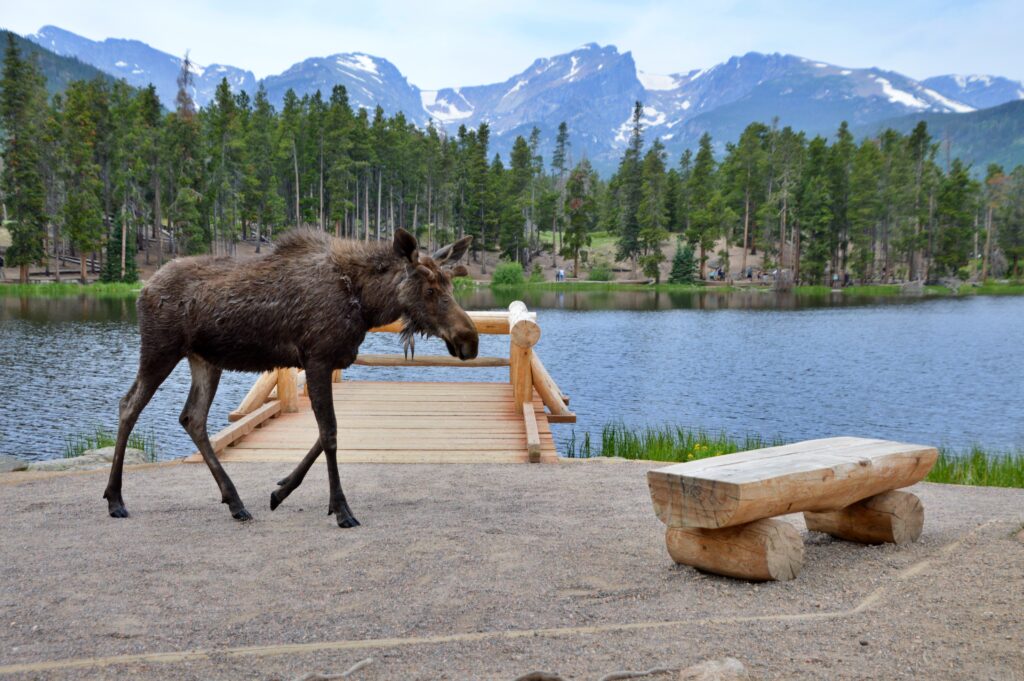
Wildlife encounters: Moose, elk, and other large animals are common sights along easy, developed trails like Sprague Lake’s boardwalk — which is part of the appeal, but also where crowding becomes a real problem.
If you’re entering the park, the Fall River Entrance (versus the main Beaver Meadows Entrance) and the Horseshoe Park area just beyond it are especially reliable for elk sightings, particularly early morning and evening — a good route to know if wildlife is a priority for your visit.
Moose in particular are often underestimated because of their calm, cow-like appearance, but they’re responsible for more injuries to people in North America than bears in many years, especially when they feel cornered by onlookers with nowhere to retreat. Stay at least 25 yards back, and if you notice a moose’s ears pin back, its hair stand up, or it licking its lips, those are warning signs to back away immediately.
Staying & Eating Near The Park
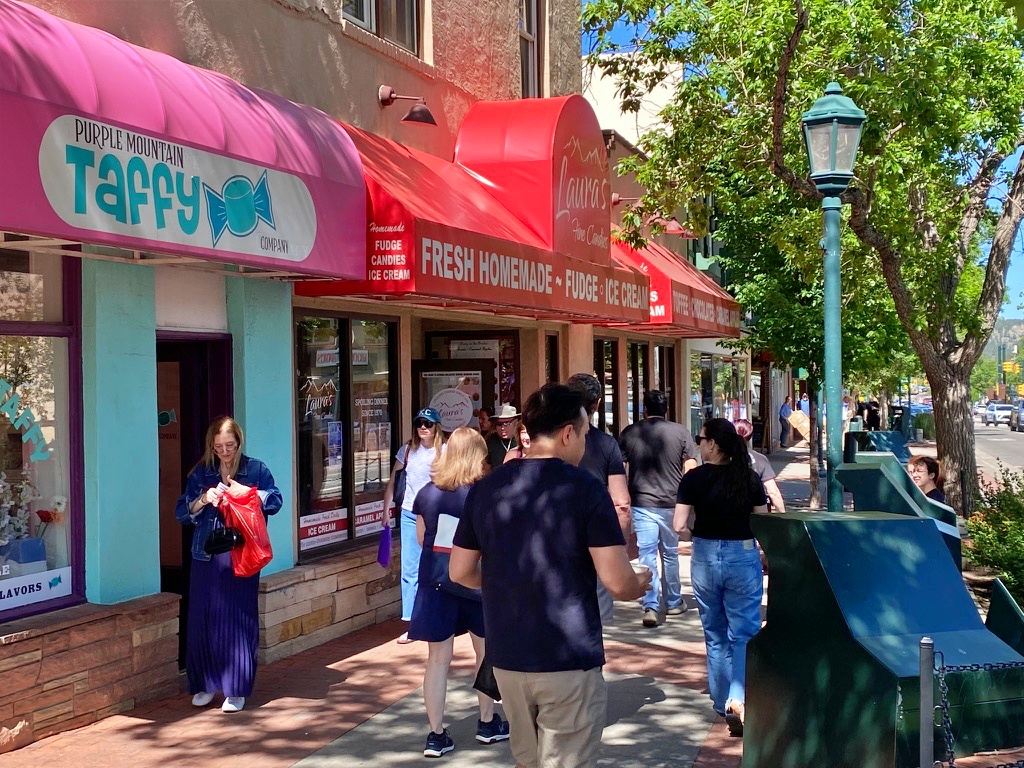
Estes Park, on the east side, is the park’s main gateway and has the widest range of lodging and dining. Staying here means earlier access to Bear Lake Road and more flexibility around crowds and weather. On the quieter west side, Grand Lake offers a smaller-town alternative closer to Trail Ridge Road’s western entrance and the Kawuneeche Valley.
One easy mistake to make: many restaurants in Estes Park close earlier than you’d expect for a tourist town, often by around 8 p.m. on weeknights and 9 p.m. on Fridays and Saturdays. We were caught off guard by this more than once — a few nights turned into a genuine scramble to find somewhere still serving after a long day in the park. Deciding on dinner plans, or at least checking hours, before you head back into town will save you the same last-minute hunt.